Essential Laboratory Testing Equipment: A Comprehensive Lab Testing Equipment List for Accurate Results
Introduction to Laboratory Testing Equipment
In modern scientific research and clinical diagnostics, laboratory testing equipment plays a pivotal role in ensuring accurate and reliable results. Whether you are setting up a new lab or upgrading existing facilities, having a comprehensive lab testing equipment list is essential. This article explores the most critical instruments, their functions, and how to choose the right equipment for your needs.
For high-quality laboratory solutions, visit China Care Medical for a wide range of medical devices.
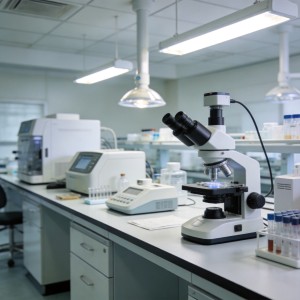
Key Categories of Lab Testing Equipment
Laboratory equipment can be categorized into several types based on their applications. Below are the essential categories every lab should consider:
1. Analytical Instruments
Analytical instruments are the backbone of any lab. They include spectrophotometers, chromatographs, and mass spectrometers. These devices measure chemical composition and concentration with high precision. For example, UV-Vis spectrophotometers are widely used in clinical labs for blood analysis. According to a study by NCBI, proper calibration of these instruments is critical for accurate diagnostics.
2. Centrifuges
Centrifuges separate fluids based on density. They are indispensable in clinical labs for blood sample preparation. Microcentrifuges and ultracentrifuges are common types. When building your lab testing equipment list, ensure you include a centrifuge with appropriate rotor capacity.
3. Microscopes
Microscopes are used for visualizing specimens. From simple compound microscopes to advanced electron microscopes, they are vital for pathology and research. Digital microscopes with camera integration are becoming standard for documentation.
4. Incubators and Ovens
Incubators maintain controlled temperature and humidity for cell culture, while ovens are used for sterilization and drying. Both are essential in microbiology labs.
5. Autoclaves
Autoclaves sterilize equipment using high-pressure steam. They are mandatory in clinical labs to prevent contamination. Choose an autoclave with adequate capacity and cycle options.
How to Choose the Right Laboratory Testing Equipment
Selecting the right laboratory testing equipment depends on your lab's specific needs. Consider factors like accuracy, throughput, ease of use, and maintenance. For instance, automated analyzers reduce human error and increase efficiency. Always check for certifications like ISO or CE to ensure quality.
For a reliable lab testing equipment list, consult suppliers like China Care Medical who offer comprehensive solutions.
Maintenance and Calibration
Regular maintenance and calibration extend the life of your equipment and ensure accuracy. Create a schedule for cleaning, calibration, and software updates. Many manufacturers provide service contracts. For example, pH meters require weekly calibration with buffer solutions.
Conclusion
Investing in quality laboratory testing equipment is crucial for reliable results. By following a well-planned lab testing equipment list, you can ensure your lab operates efficiently. Remember to prioritize accuracy, durability, and support from trusted vendors. For more information, explore our resources at China Care Medical.