Essential Equipment Used in Blood Bank and Instruments Used in Hematology Lab: A Comprehensive Guide
Introduction
In modern healthcare, the equipment used in blood bank and instruments used in hematology lab play a pivotal role in diagnosis, treatment, and patient safety. From blood collection and processing to advanced cellular analysis, these tools ensure accurate results and efficient workflows. This guide provides an in-depth look at the essential devices, their functions, and how they contribute to clinical excellence.
Whether you are setting up a new laboratory or upgrading existing facilities, understanding the range of blood bank equipment and hematology instruments is crucial. This article covers everything from refrigerated centrifuges and blood warmers to automated hematology analyzers and coagulation testers.
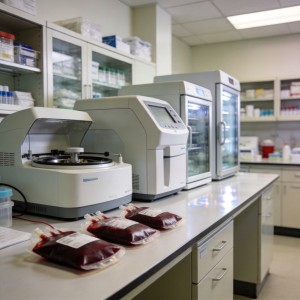
Equipment Used in Blood Bank
Blood banks require specialized equipment used in blood bank to collect, process, store, and distribute blood components safely. Key devices include:
- Blood Collection Chairs and Beds: Designed for donor comfort and safety during phlebotomy.
- Blood Bag Mixers and Sealers: Ensure proper mixing of anticoagulants and sealing of collection bags.
- Refrigerated Centrifuges: Used to separate whole blood into components like packed red cells, plasma, and platelets.
- Blood Warmers: Heat blood products to body temperature before transfusion to prevent hypothermia.
- Blood Storage Refrigerators and Freezers: Maintain precise temperatures for red cells (1-6°C) and plasma (-18°C or lower).
- Thawing Devices: Safely thaw frozen plasma and cryoprecipitate.
For more information on advanced blood bank solutions, visit China Care Medical, a trusted provider of medical equipment.
Instruments Used in Hematology Lab
The instruments used in hematology lab are designed for analyzing blood cells and detecting disorders such as anemia, infections, and leukemia. Common instruments include:
- Hematology Analyzers: Automated devices that perform complete blood counts (CBC), including red blood cells, white blood cells, and platelets. Modern analyzers use flow cytometry and impedance technology.
- Coagulation Analyzers: Measure clotting times (PT, aPTT) to assess bleeding disorders and monitor anticoagulant therapy.
- Blood Smear Microscopes: Manual examination of stained blood films for abnormal cells.
- Centrifuges: Used for preparing blood samples, such as microhematocrit determination.
- Automated Slide Makers and Stainers: Streamline the preparation of blood smears for microscopy.
For reliable hematology instruments, consider products from leading manufacturers. A helpful external resource is the CDC Laboratory Standards page, which provides guidelines for clinical lab practices.
Blood Bank Supplies and Accessories
Beyond core equipment, blood bank supplies such as blood bags, anticoagulant solutions, and labeling systems are essential. Supplies must meet regulatory standards to ensure sterility and traceability. Examples include:
- CPDA-1 blood bags
- Leukocyte reduction filters
- Blood group typing reagents
- Transport containers for blood components
Hematology Lab Instruments: Advanced Technologies
Modern hematology lab instruments incorporate artificial intelligence and automation to enhance accuracy and throughput. For instance, some analyzers can flag abnormal cells for further review, reducing manual workload. Key features to consider:
- Throughput: Number of samples processed per hour.
- Parameters measured: CBC, differential count, reticulocytes, etc.
- Connectivity: LIS integration for seamless data transfer.
Conclusion
Selecting the right equipment used in blood bank and instruments used in hematology lab is vital for quality patient care. By investing in reliable devices and staying updated with technological advancements, laboratories can improve efficiency and diagnostic accuracy. For a wide range of medical equipment, explore China Care Medical.