Essential Chemistry Measuring Instruments for Your Device Laboratory: A Complete Guide
Introduction to Chemistry Measuring Instruments in a Device Laboratory
In any modern device laboratory, precision and accuracy are paramount. Whether you are conducting research, quality control, or educational experiments, the right chemistry measuring instruments ensure reliable results. From simple volumetric flasks to advanced digital analyzers, these tools form the backbone of scientific discovery and industrial application. This guide explores the essential instruments every device laboratory should have, how to choose them, and best practices for maintenance.
Types of Chemistry Measuring Instruments
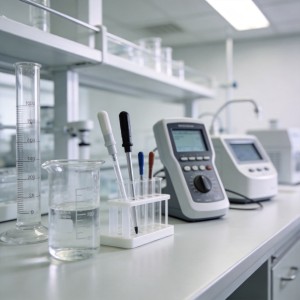
Chemistry measuring instruments can be categorized based on their function. Laboratory equipment includes balances, pH meters, spectrophotometers, and thermometers. Each serves a specific purpose: balances measure mass with high precision, pH meters determine acidity, and spectrophotometers analyze light absorption to quantify substances. For a device laboratory, investing in versatile instruments like multiparameter meters can save space and cost.
Balances and Scales
Analytical balances are critical for measuring small masses accurately. Modern digital balances offer readability up to 0.0001 g. When selecting a balance for your device laboratory, consider capacity, precision, and calibration features. Regular calibration using certified weights ensures ongoing accuracy.
pH Meters and Electrodes
pH measurement is essential in many chemical processes. A high-quality pH meter with a robust electrode can provide readings within ±0.01 pH. For chemistry measuring instruments, choose models with automatic temperature compensation and replaceable electrodes to extend lifespan.
Choosing the Right Equipment for Your Device Laboratory
When outfitting a device laboratory, consider the specific applications. For instance, a lab focusing on pharmaceutical analysis may require high-performance liquid chromatography (HPLC) systems, while a teaching lab might prioritize basic glassware and portable meters. Budget, space, and user expertise also influence decisions. Always source from reputable suppliers to guarantee quality and support. For a wide range of reliable laboratory equipment, visit China Care Medical.
Maintenance and Calibration
Proper maintenance extends the life of your chemistry measuring instruments. Clean instruments after each use, store them in controlled environments, and schedule regular calibration. Many modern devices have self-diagnostic features, but manual checks are still necessary. For detailed protocols, refer to guidelines from authoritative sources like the National Institute of Standards and Technology (NIST).
Future Trends in Laboratory Instrumentation
The field of laboratory equipment is evolving with digitalization and automation. Smart sensors, IoT-enabled devices, and AI-driven analytics are transforming how data is collected and interpreted. In a future device laboratory, these innovations will enhance accuracy, reduce human error, and enable remote monitoring. Staying updated with these trends ensures your lab remains competitive.
Conclusion
Selecting the right chemistry measuring instruments is crucial for any device laboratory. By understanding the types of equipment, their applications, and maintenance requirements, you can optimize your lab's performance. Whether you are setting up a new lab or upgrading existing tools, prioritize quality and reliability. Explore high-quality options at China Care Medical to equip your lab with the best instruments.